Day 2: Districts Making Big Decisions
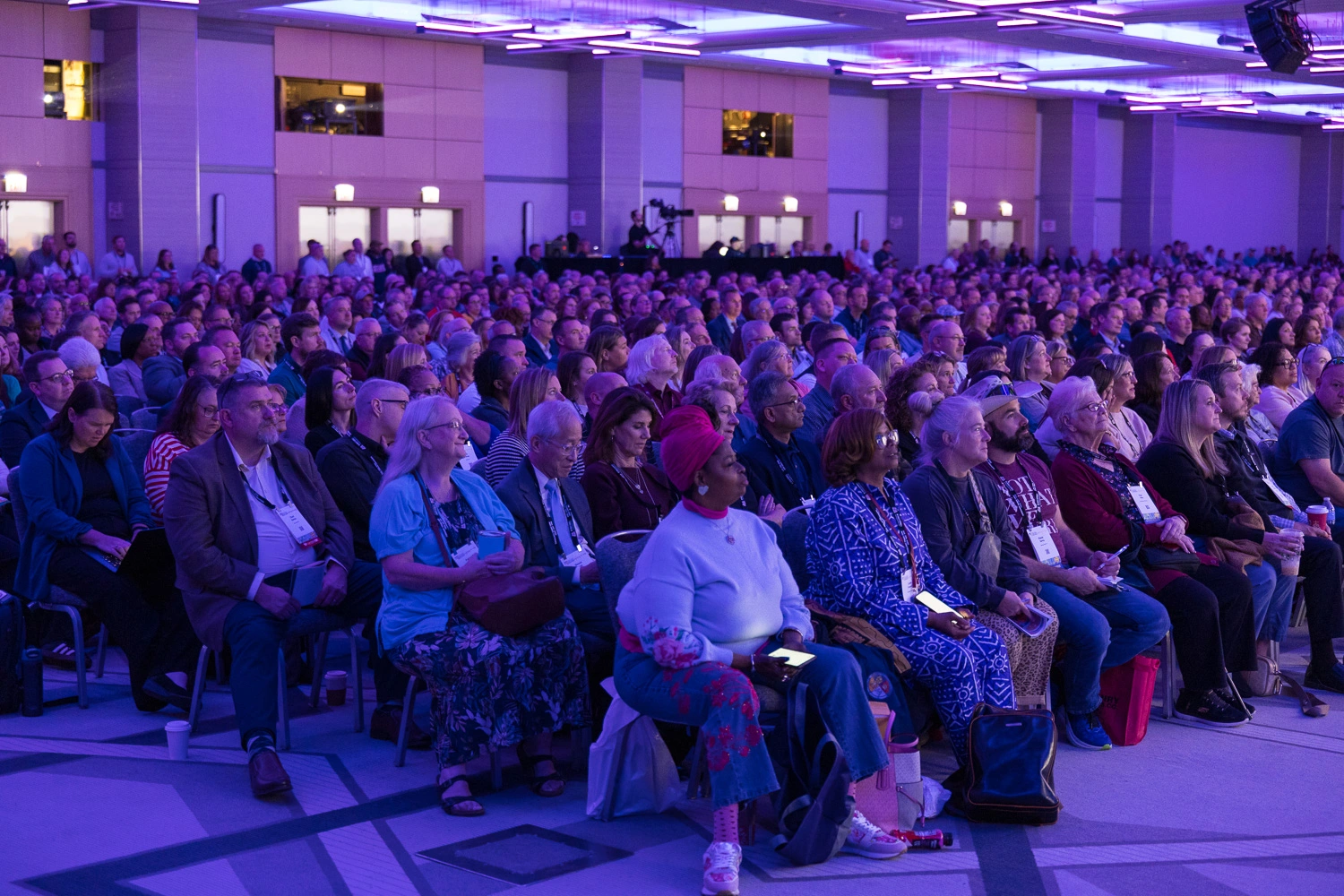
The intersection of technology and education was on the map as the busy Saturday of the Joint Annual Conference kicked off with teacher-turned-neuroscientist Jared Horvath, Ph.D., who combines data, humor, and neuroscience to address edtech and asks his listeners to consider when and how school districts choose to use technology in the classroom.
Among Horvath’s points was that the world has “lost the battle” over whether computers are entertainment or education. He combines that with the concept that “multitasking is the single-worst thing for learning and memory” to bring his point home. He talked about relationships, how “empathy drives learning,” and the importance of teachers. He also referred to the transfer of skills related to how tech hinders children’s executive functioning development. Students don’t have to remember to take the homework home, do it, and turn it in at class anymore –“Tech takes away the moments kids look after themselves. They don’t ‘think, work, remember, fail, learn” anymore. He opined that the digital access divide is at home, not in the schools, and that equity means making sure “every kid has a good teacher,” not the best computer. Speaking on artificial intelligence, Horvath described it as “not a learning tool” and espoused developing skills first, a point which resonated with the audience.

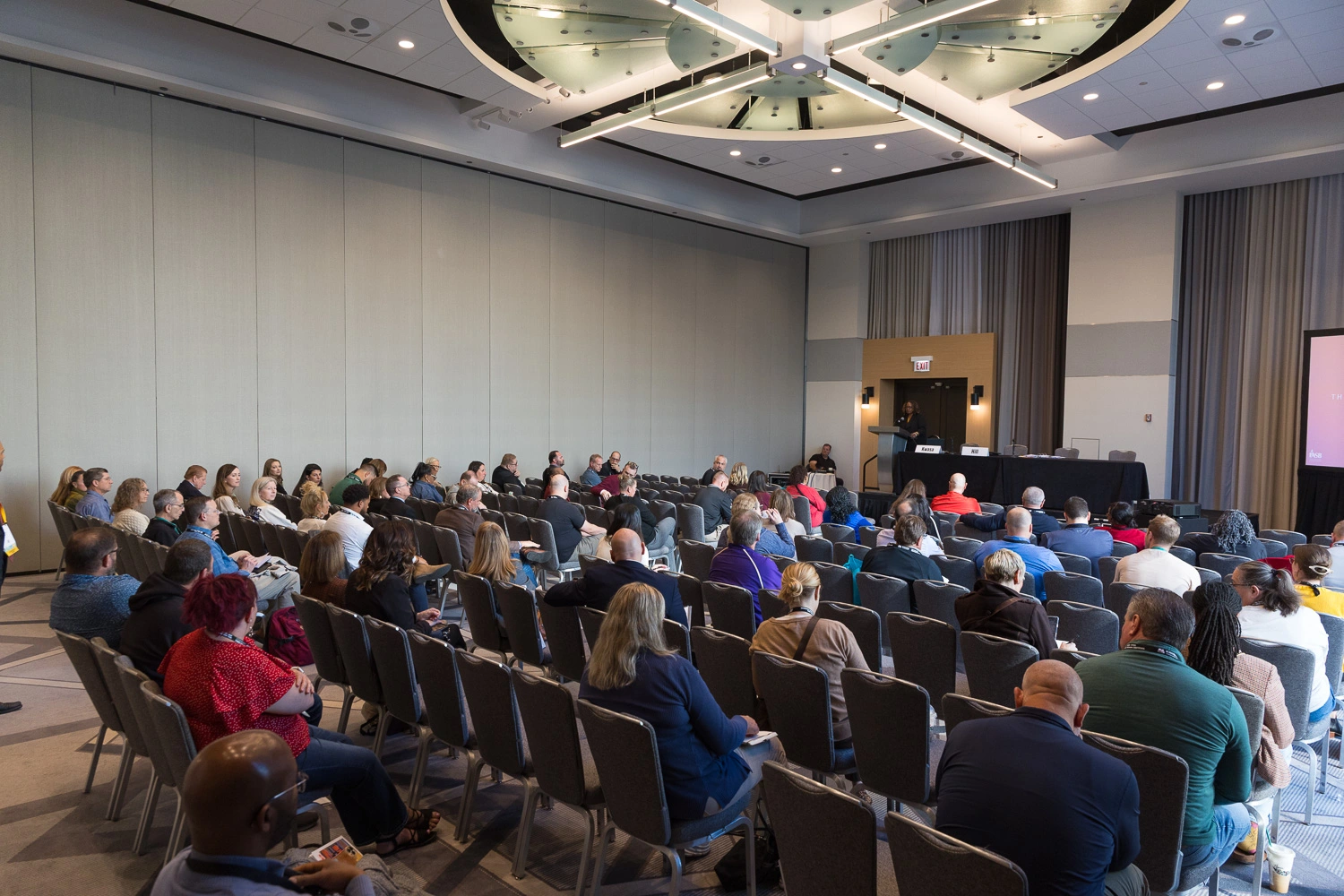
Throughout the second day of the Conference, participants could attend any of the dozens of Panel Sessions offered, including 34 41 "Share the Success" panels presented by member school districts. Students from Libertyville High School spoke on their experiences in promoting later school start times, and a team from Illini Bluffs spoke about rural schools and strategic planning.
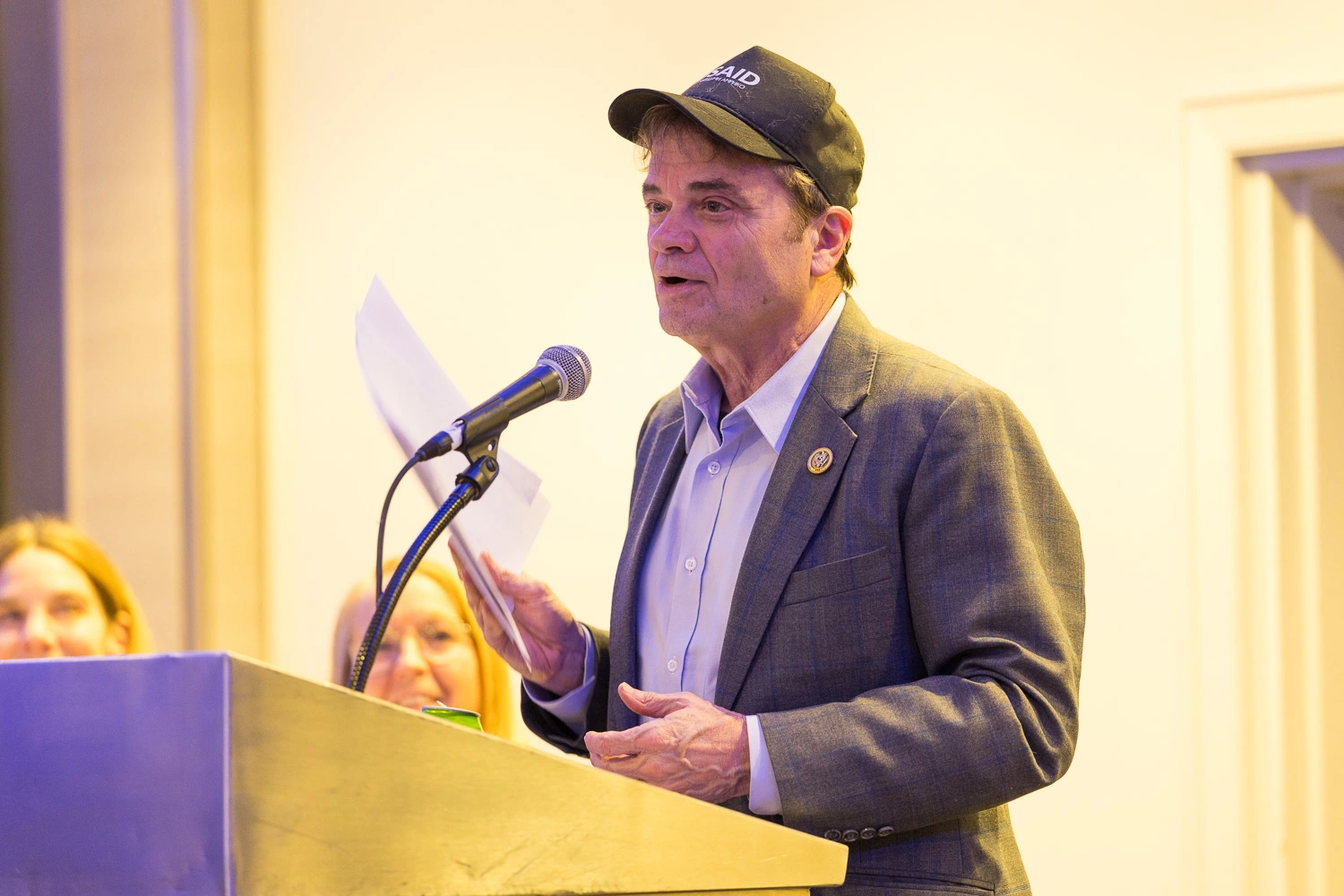
IASB member districts participated in the annual Delegate Assembly, which sets the IASB legislative agenda on behalf of its members. The Conference welcomed U.S. Member of Congress Mike Quigley in a session on Looking Ahead to 2027: Education Policy on Capitol Hill.